How Proper Soffit Ventilation Prevents Winter Roof Damage
Winter in Metro Detroit is a season of extremes. One day we are dealing with a heavy, wet snowfall, and the next, temperatures plunge well below freezing. As homeowners, we spend a lot of time preparing the inside of our homes for the cold, but we often forget about the vital systems protecting us from above. When you think about a durable, winter-ready roof, your mind probably goes straight to heavy-duty shingles and sturdy underlayment. While those materials are incredibly important, true roof protection relies on something completely invisible: airflow.
Your roof is designed to breathe. Without proper air circulation, even the highest-quality roofing materials will struggle to withstand the harsh realities of our Michigan winters. Poor attic ventilation is a leading cause of severe structural damage and unexpected interior leaks, yet it remains one of the most overlooked aspects of home maintenance.
At Black Diamond Roofing and Construction, we frequently see the stressful aftermath of inadequate airflow. When the freeze-thaw cycles begin, homes without proper ventilation are sitting ducks for a phenomenon known as ice damming. Let's break down the science of how your attic's climate impacts your roof, and explore how a seemingly simple detail like soffit ventilation can save your home from costly winter damage.
The Hidden Threat: Understanding the Ice Dam Dilemma
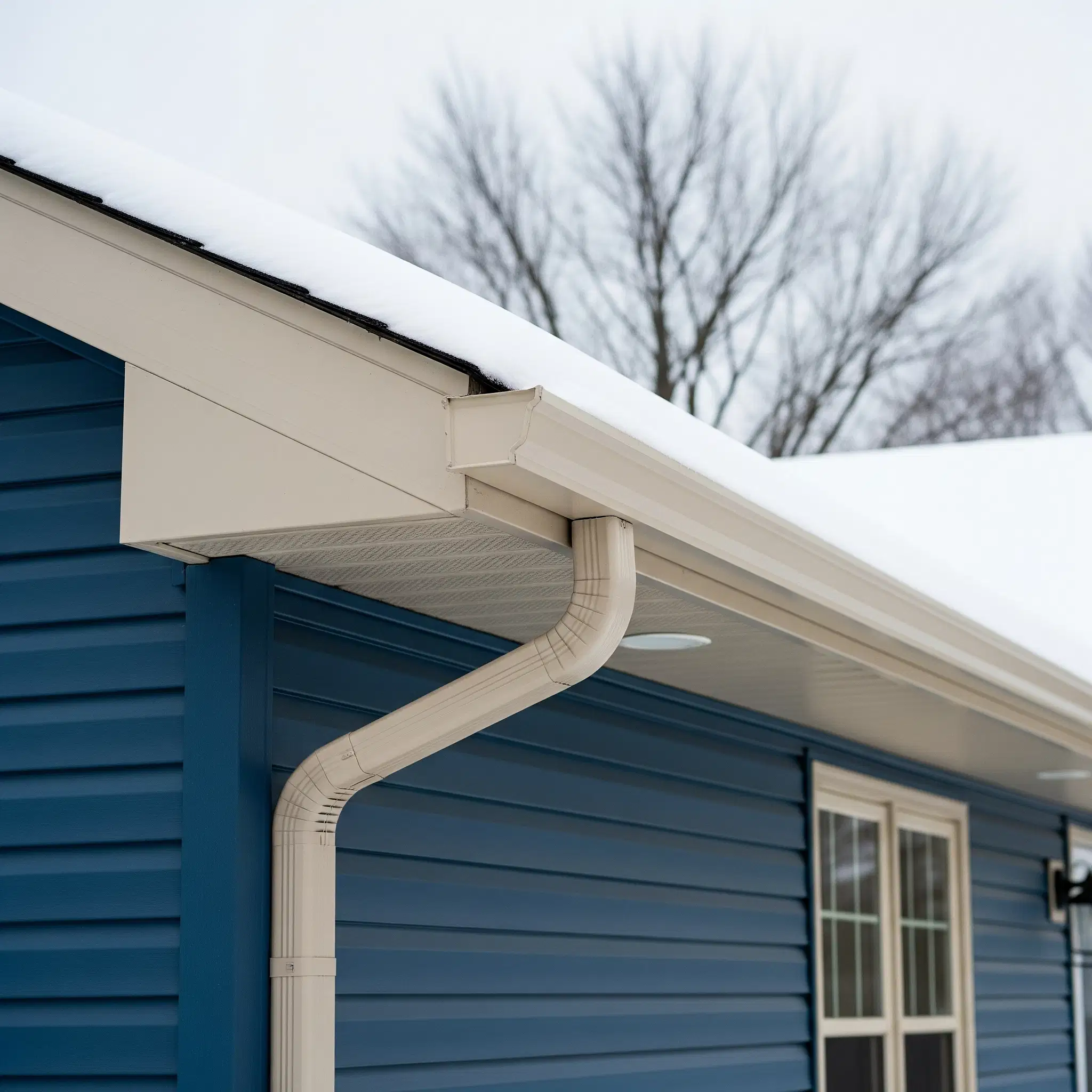
If you have lived in The Mitten for any length of time, you have likely seen homes with thick, heavy ridges of ice hanging off the edges of their roofs, often accompanied by massive icicles. While they might look picturesque, these formations are actually ice dams, and they are incredibly destructive.
An ice dam forms due to a temperature imbalance in your attic. When heat escapes from your living room or bedrooms into the attic space, it warms the underside of the roof deck. This trapped heat causes the snow sitting on top of your roof to melt prematurely, even when the outside temperature is well below freezing. As this newly melted water trickles down the slope of your roof, it eventually reaches the eaves—the overhangs that extend past the exterior walls of your house.
Because the eaves are not positioned over the warm interior of your home, they remain freezing cold. When the melted water hits this frigid zone, it rapidly refreezes. As this process repeats day after day, a large wall of ice builds up along the edge of your roof. This dam traps subsequent snowmelt, creating a pool of standing water that eventually works its way under your shingles, through your underlayment, and right into your ceiling and walls.
So, how do soffit vents prevent roof ice dams? Soffits are the exposed undersides of your roof's overhang. When properly ventilated, they act as the intake valves for your attic. They allow cold, fresh outside air to continuously flow into the attic space, which then pushes the warm, trapped indoor air out through the exhaust vents situated at the peak of your roof. By constantly cycling cold air through the space, soffit vents keep the attic temperature nearly identical to the outside temperature, preventing the snow on your roof from melting until the weather naturally warms up.
Recognizing the Signs of Poor Attic Ventilation in Winter
Catching a ventilation issue early is the key to avoiding extensive repairs and interior water damage. Many homeowners do not realize their attic is suffocating until water starts dripping through their drywall. However, your home will usually give you a few subtle warnings before a major leak occurs.
Here are the most common signs of poor attic ventilation in winter:
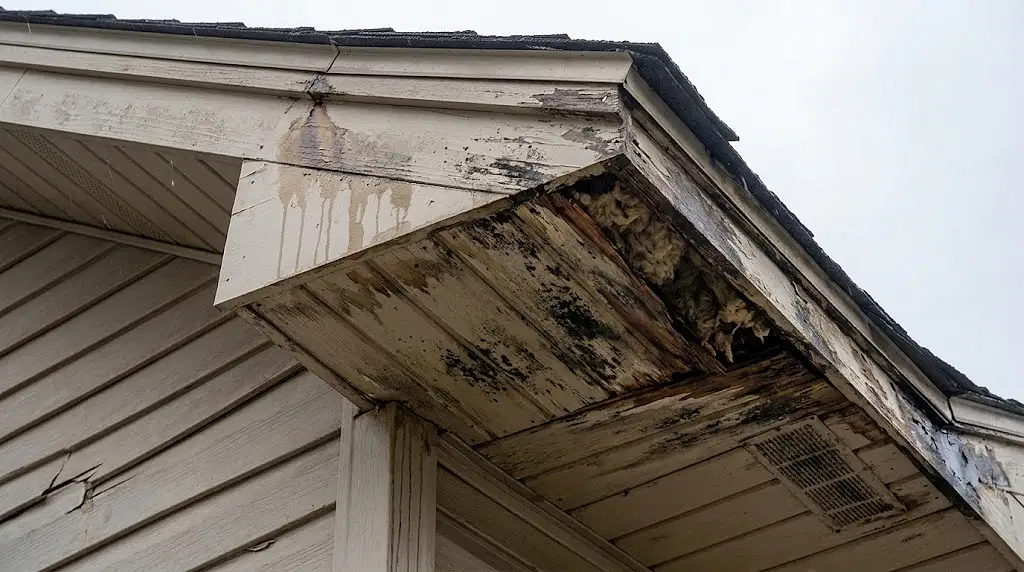
- Frost buildup inside the attic: If you poke your head into your attic on a freezing day and see frost coating the roofing nails or the wooden rafters, you have a ventilation problem. This frost is created when warm, humid air from your living space rises and hits the freezing cold roof deck, instantly condensing and freezing. When that frost melts, it drips onto your insulation, rendering it ineffective and promoting mold growth.
- Unexplained spikes in heating bills: When your attic cannot properly vent moisture, your insulation gets damp. Wet insulation completely loses its thermal resistance, meaning your home's heating system has to work overtime to keep you warm.
- Wavy or warped roof decking: Over time, trapped moisture can cause the structural wood beneath your shingles to warp, rot, or buckle, leading to a wavy appearance on your roofline.
- Persistent icicles: While a few small icicles are normal, a continuous, thick fringe of ice along your gutters is a glaring indicator that ice dams are forming and your eaves are blocked from proper airflow.
If you recognize any of these symptoms, it is crucial to address the root cause rather than just treating the visible effects. Climbing onto an icy roof to chip away at an ice dam is dangerous and often damages the shingles. The true fix lies in correcting the airflow.
The Essential Benefits of Continuous Ventilation
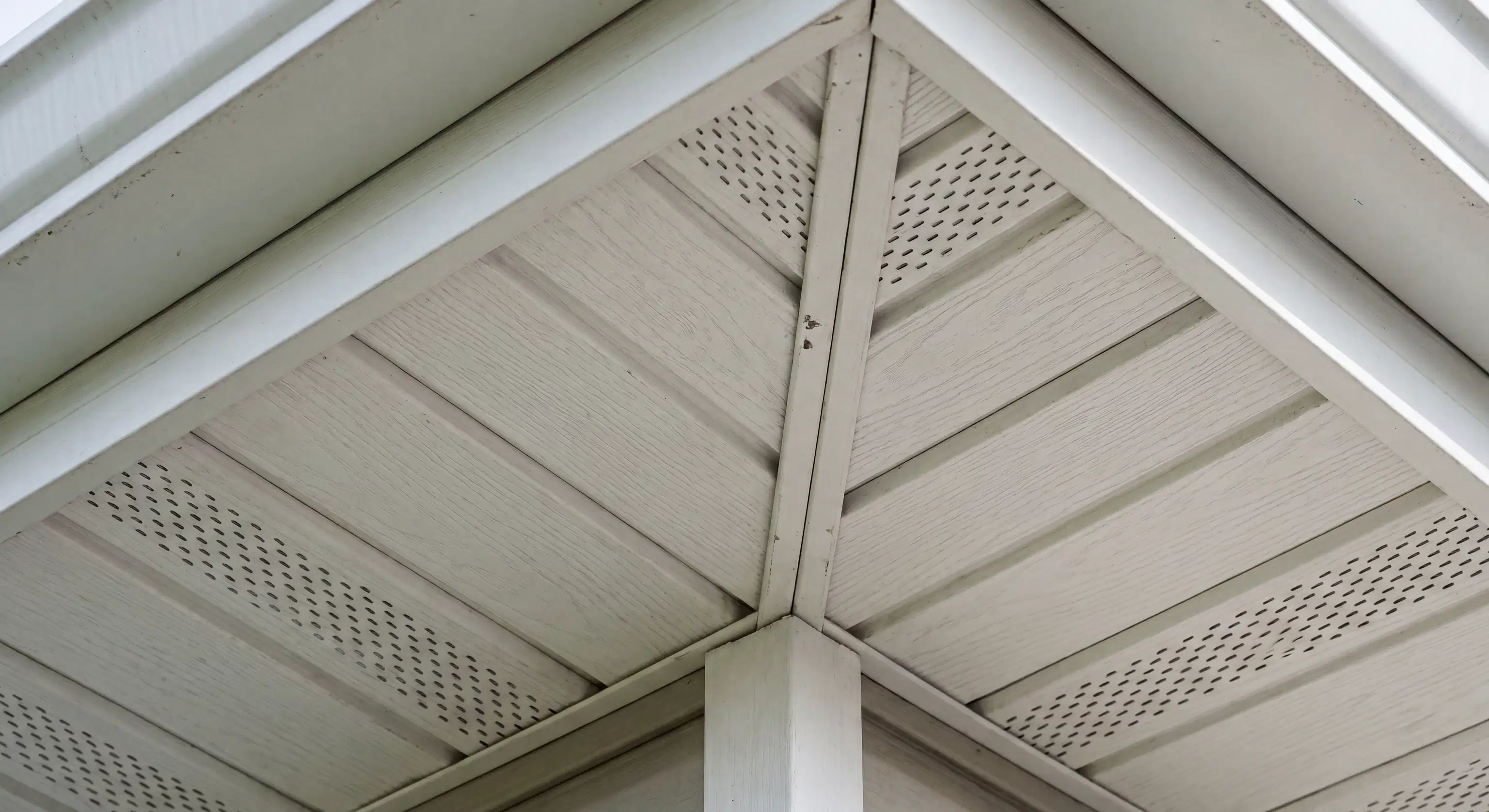
Older homes often rely on small, individually cut vents spaced out along the eaves, which only allow for limited, spotty airflow. Today, modern building practices emphasize the benefits of continuous soffit and fascia ventilation. A continuous soffit vent runs the entire length of the eave, providing a massive, uninterrupted intake of fresh air.
When combined with a properly functioning exhaust system at the roof's ridge, continuous soffit vents create a powerful, passive draft that naturally regulates your attic's climate year-round. In the winter, it keeps the roof deck cold to prevent ice dams. In the summer, it flushes out extreme heat, protecting your shingles from premature aging and cracking.
Of course, soffit ventilation does not work in isolation. The soffit is physically attached to the fascia board—the long, straight board that runs along the lower edge of the roof. The fascia plays a critical role because it is the mounting point for your home's gutters. If your soffits are damaged or poorly ventilated, moisture can easily rot the adjacent fascia board, which in turn causes your gutters to sag and fail.
Upgrading your home with professional fascia and soffit installation ensures that this entire system works in harmony. Furthermore, pairing this upgrade with expert gutter installation guarantees that when the snow eventually melts in the spring, the water is safely and efficiently channeled away from your home's foundation.
Securing Your Home for the Harsh Months Ahead
Whether you live in a historic home Downriver or a more recently built property, managing your attic's climate is essential for long-term structural protection. Taking proactive steps to ensure your roof is breathing properly means you can spend your weekends relaxing—or head Up North for a winter getaway—without the constant anxiety of wondering what is happening on top of your house.
At Black Diamond Roofing and Construction, we pride ourselves on delivering high-quality residential roofing solutions that are built to be lake-effect tough. We understand the unique demands that Michigan weather places on a home, and we know exactly how to fortify your exterior against the elements.
If you are worried about ice dams, suspect your attic lacks adequate airflow, or are simply ready to upgrade your home's exterior defenses, we are here to help. Contact us today to schedule a consultation, and let our team ensure your home remains safe, dry, and energy-efficient for many winters to come.